



Chicken Allergies in Dogs: Symptoms, Causes, and How to Help Your Dog Heal
By Dr. Keith Weingardt, DVM
Integrative Veterinarian and Veterinary Advisor
Chicken allergies in dogs are one of the most common concerns pet parents face when dealing with itching, digestive upset, or recurring ear infections.
But while chicken can be part of the picture, it’s rarely the whole story.
In practice, what I see most often isn’t a problem with one specific ingredient. It’s a dog whose system is out of balance, with the gut playing a central role. When we take a step back and look at what’s happening beneath the surface, it becomes much easier to move beyond short-term fixes and toward lasting relief.
Why Chicken Is One of the Most Common Food Allergies in Dogs
Chicken tends to get a bad reputation, but that’s often because it’s one of the most common proteins found in processed pet foods.
When a dog is reacting to their diet, chicken is usually the first suspect simply because it’s everywhere. In reality, food sensitivities can develop to many different proteins. What matters more is why the body is reacting in the first place.
What’s Really Happening in your Dog’s Body
It helps to understand the difference between a true food allergy and a food sensitivity.
A true allergy involves a specific immune response to a protein and may have a genetic component. Sensitivities are more common and tend to develop over time, often linked to chronic inflammation in the gut.
When the gut lining becomes compromised, it loses its ability to act as a protective barrier. Particles that should remain in the digestive tract begin to pass into the bloodstream, where the immune system reacts. That response can show up in many different ways, not just in digestion.
I often see this pattern in dogs with a history of processed diets, medication use, environmental toxin exposure, or other factors that place ongoing stress on the gut.
Common Chicken Allergy Symptoms in Dogs
Once the gut barrier is affected, symptoms don’t always stay confined to the digestive system.
Some dogs show clear digestive signs like loose stools, poor appetite, or intermittent diarrhea. Others present with issues that seem unrelated at first glance, like itchy paws, recurring ear debris, anal gland problems, or general skin irritation.
These are all ways the body responds when internal balance is disrupted.
If chicken is suspected, the most straightforward approach is to remove it from the diet completely for six to eight weeks and observe any changes. A careful reintroduction can help confirm whether it’s truly the trigger.
Can Dogs Recover From a Chicken Allergy?
In many cases, pets can bounce back from an overly reactive system. The key is shifting the focus from eliminating ingredients to rebuilding gut health.
Moving toward a minimally processed, whole food diet is the first step to reduce the inflammatory burden on the digestive system. From there, supporting the gut with a diverse beneficial microbes, along with fiber and plant-based nutrients, helps restore balance over time.
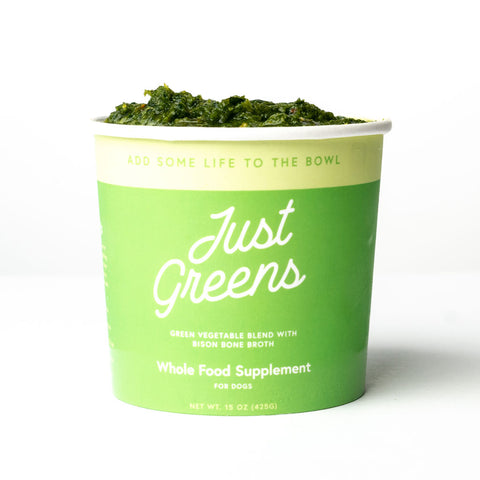
A good option to help include these beneficial foods into their diet is by adding a scoop of veggies, like Green Juju’s Just Greens, to their bowl.
As the gut lining repairs and the immune system stabilizes, many dogs become less reactive to foods that previously caused issues. The goal isn’t just symptom management. It’s restoring the conditions that allow the body to tolerate diverse foods again.
What About Other Poultry?
Not all dogs who react to chicken will react to other poultry, but it’s important to move carefully.
If a dog shows signs of sensitivity across multiple poultry proteins, I’ll often recommend stepping away from that category altogether for a period of time. Introducing a completely different protein, like beef, bison, pork, or rabbit, can give the immune system space to reset.
When reintroducing foods, patience matters. Allowing enough time between new proteins helps ensure you’re getting a clear picture of how the body is responding.
Beyond the Bird
Choosing more thoughtfully sourced proteins can be a helpful part of the overall approach, especially for dogs with a history of reactivity.
How an animal is raised, what it’s fed, and what it’s exposed to all influence how that protein is received by the body. Residues from intensive farming practices may contribute to how some dogs respond to the proteins they are eating, particularly those already dealing with sensitivities.
This is why sourcing is part of the foundation at Green Juju. Every ingredient is selected with those factors in mind, not just for flavor, but for how it will be received by the body.
The Bigger Picture
Food sensitivities are rarely about one “bad” ingredient. More often, they’re a signal that the gut needs overall support.
The encouraging part is that the gut has a remarkable ability to heal! When we support our pets with the right nutrition, time, and a thoughtful approach, the body often does exactly what it’s designed to do — return to balance.

