


Why Are Cats More Prone to Dehydration? Understanding Your Cat's Unique Hydration Needs
If you've ever noticed that your cat barely touches their water bowl, you're not imagining it. Compared to dogs, cats are naturally less inclined to drink water, which means they're also more susceptible to dehydration.
That doesn't necessarily mean something is wrong. It's simply part of their biology.
The challenge is that even mild dehydration can impact a cat's overall health, affecting everything from kidney function and digestion to urinary tract health and energy levels. Understanding why cats are prone to dehydration can help you make small changes that support their health every day.
Cats Evolved to Get Water From Their Food
Domestic cats descended from desert-dwelling wildcats that survived in arid environments where standing water wasn't always available.
Instead of relying on streams or ponds, these cats evolved to obtain most of their hydration from the prey they hunted. A mouse or bird is naturally about 70-75% water, meaning every meal supplied both nutrition and moisture.
Because of this evolutionary history, cats never developed the strong thirst drive that many other animals have.
Even today, many cats won't seek out water until they're already mildly dehydrated.
Cats Have a Lower Thirst Drive
Dogs often drink throughout the day, especially after exercise or spending time outside.
Cats are different.
Their brains simply don't signal thirst as aggressively, even when their bodies could benefit from more fluids. Waiting for your cat to drink enough water on their own often isn't the best hydration strategy.
This is one reason veterinarians frequently recommend increasing moisture intake through food rather than relying solely on a water bowl.

Dry Diets Can Make Hydration More Challenging
Many cats eat primarily dry kibble, which contains very little moisture, often around 10%.
Fresh, frozen, or properly rehydrated freeze-dried foods contain substantially more water, helping mimic the moisture content cats would naturally consume in prey.
While kibble can absolutely be part of a cat's diet, adding moisture back into meals can make a meaningful difference in overall hydration.
Even small additions of fresh foods can help.
Why Hydration Matters for Cats
Because cats naturally drink less, adequate hydration plays an important role in several areas of health.
Kidney Health
Cats are particularly prone to chronic kidney disease as they age. Proper hydration helps support healthy kidney function and assists the kidneys in filtering waste products from the body.
Urinary Tract Health
Concentrated urine creates an environment where crystals and urinary issues are more likely to develop. Increasing moisture intake helps dilute urine and supports normal urinary function.
Healthy Digestion
Water helps food move efficiently through the digestive tract and supports healthy stool consistency. Cats that don't consume enough moisture may be more prone to constipation.
Energy and Overall Wellness
Every cell in the body relies on water to function properly. Hydration supports circulation, nutrient transport, temperature regulation, and normal cellular processes.
Signs Your Cat May Be Dehydrated
Cats are experts at hiding discomfort, so dehydration can be easy to miss.
Some signs to watch for include:
- Lethargy or decreased activity
- Dry or tacky gums
- Loss of appetite
- Sunken eyes
- Constipation
- Reduced skin elasticity
- Dark, concentrated urine
- Drinking more than usual after long periods of not drinking
If your cat shows significant signs of dehydration or stops eating or drinking, they should be evaluated by your veterinarian promptly.
Easy Ways to Increase Your Cat's Water Intake
The good news is that supporting hydration doesn't have to be complicated.
Offer Fresh Water in Multiple Locations
Some cats simply prefer different drinking locations or wider, shallow bowls that don't touch their whiskers. Providing multiple clean water sources throughout your home may encourage more frequent drinking.
Many cats also enjoy moving water from pet fountains.
Feed Moisture-Rich Meals
Fresh or raw foods naturally contain much more water than dry kibble. Frozen or properly rehydrated freeze-dried raw diets can help increase daily moisture intake while providing whole-food nutrition.
If your cat eats kibble, even adding a small amount of fresh food can help boost moisture intake.
Add Raw Goat's Milk
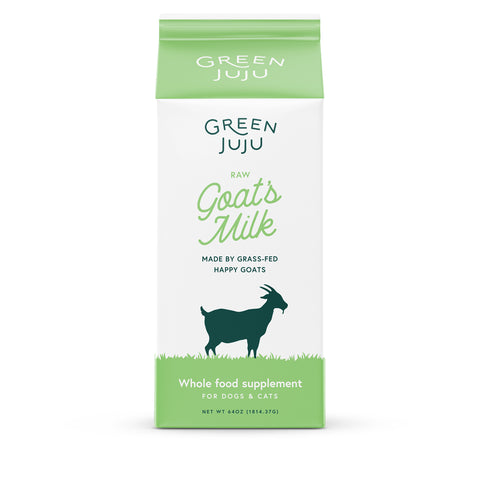
One of the easiest ways to encourage hydration is by adding Green Juju Raw Goat's Milk to your cat's routine.
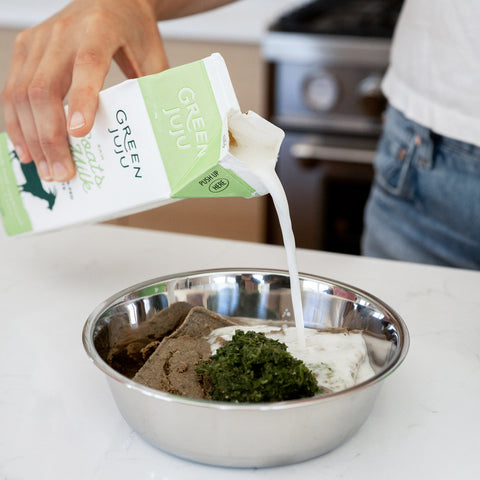
Raw goat's milk provides natural moisture along with probiotics, digestive enzymes, vitamins, minerals, and highly digestible protein. Many cats find it especially flavorful, making it an easy way to increase fluid intake while supporting digestive and immune health.
Serve it as a meal topper, between-meal snack, or frozen into small treats during warmer weather.
Incorporate Bone Broth
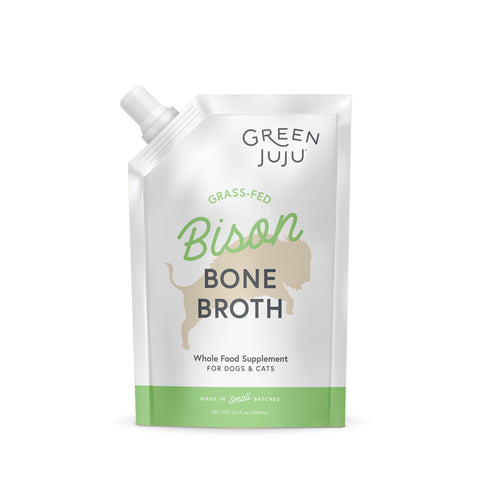
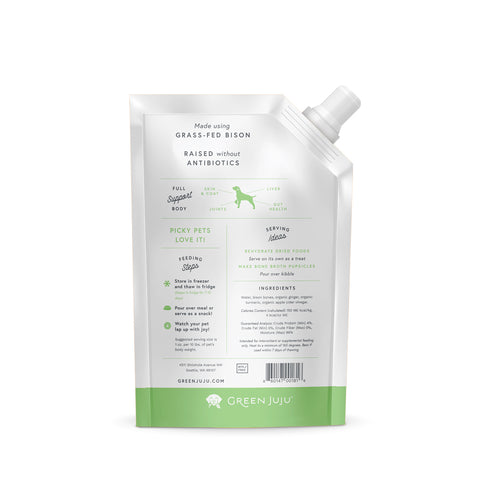
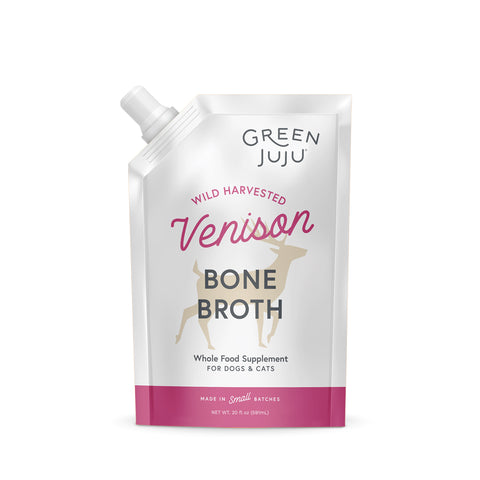
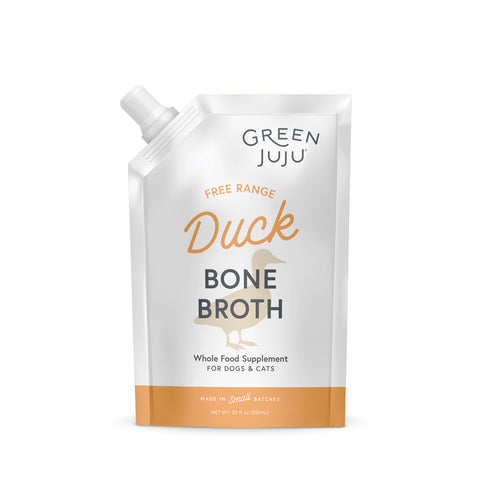
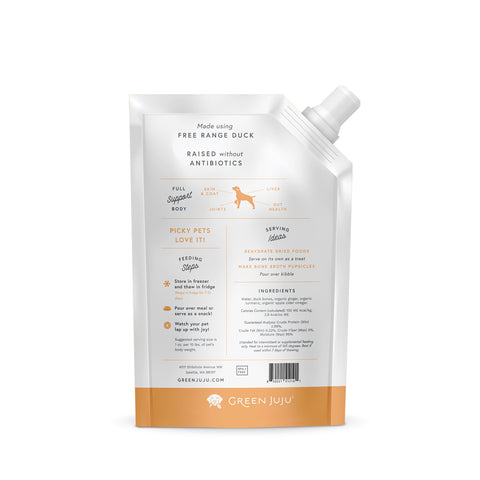
Bone Broth made specifically for pets can add both hydration and nutrients to meals. Pour it over food or serve it on its own as a flavorful drink.

Supporting Hydration Is One of the Best Things You Can Do for Your Cat
Cats were designed to get much of their water from their food, not from a bowl.
By understanding their unique biology and incorporating more moisture-rich foods into their daily routine, you can help support healthy kidneys, urinary function, digestion, and overall wellness for years to come.
Whether it's adding fresh food, pouring a splash of raw goat's milk over dinner, or making sure freeze-dried meals are fully rehydrated, small changes can have a meaningful impact.
After all, for cats, hydration isn't just about drinking more water. It's about bringing more moisture to the bowl.