


Fermented Pet Nutrition: Why Fermented Foods Support the Canine Microbiome
What are Fermented Foods?
Fermented foods, put simply, are foods that have been predigested by bacteria. When used intentionally in fermented foods for dogs, this process plays a critical role in supporting canine microbiome health, digestion, and overall balance. Fermented pet nutrition mirrors what dogs would naturally encounter in the wild, offering powerful benefits for long-term dog gut health.
We take foods that typically have naturally occurring sugars for them to eat and allow the inoculated or naturally occurring bacteria to thrive and eat them. While most bacteria have a much easier time thriving with sugar as their food, some bacteria even convert protein to carbohydrates to use as food. This makes even certain animal foods fermentable! This process has been going on in nature, since nature has been nature, and can provide a lot of health benefits for your dog's microbiome and whole body.

Fiber
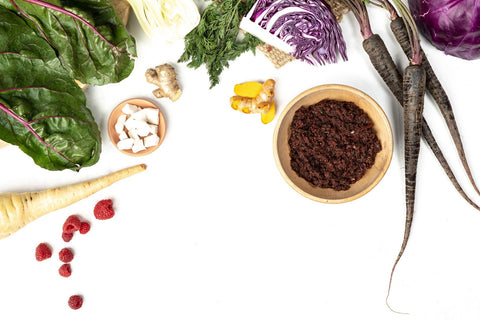
Fiber acts as a prebiotic, providing the fuel that probiotics for dogs need to thrive and support a healthy canine microbiome. Common plant based fermented foods contain a lot of naturally occurring fiber. Foods include coconut, cabbage (sauerkraut), beets, and other plants you might find in your fridge! This creates a synergistic effect as you are providing your pet with probiotics and the fiber that the probiotics need as a fiber source. You can provide all the probiotics you want but if they don't have food and an environment to thrive they ultimately won't benefit your pet nearly as much. A perfect example of this coming together is Bam's Digestive Support and Lua's Inflammatory Support. Both provide wild fermented probiotics and healthy yeast and the fiber to support them! As well as the many other health benefits discussed in the rest of the blog.
Easier Digestion And Nutrient Creation
When the good bacteria (probiotics) predigest the food, they create extra healthful nutrients that your pet simply wouldn't get if they were eating a non fermented version of the food. One of the biggest benefits of fermented foods for canine digestion is that they reduce the digestive workload while increasing nutrient availability. The organic acids, which help digestion and other metabolic processes, produced include Lactic Acid, Acetic Acid, Butyric Acid, Citric Acid, and many more! Specifically Butyric acid, which is highly beneficial to the gut lining. Butyric acid is especially valuable for dogs because it supports the gut lining, making fermented foods a powerful tool for natural digestive support for dogs. On top of that, they produce basically all of the B Vitamins, Vitamin C, and the all important often not mentioned Vitamin K2. In fact, Vitamin K2 only comes from animal products and bacteria. There is no plant source! So in a diet lacking in animal foods, fermented foods become vitally important! Fermented foods also reduce antinutrients like phytic acid, oxalates, to levels that become negligible. Finally, they also produce extra enzymes which aid in overall gut healing and make it a lot easier for your pet to digest their food.

Probiotics
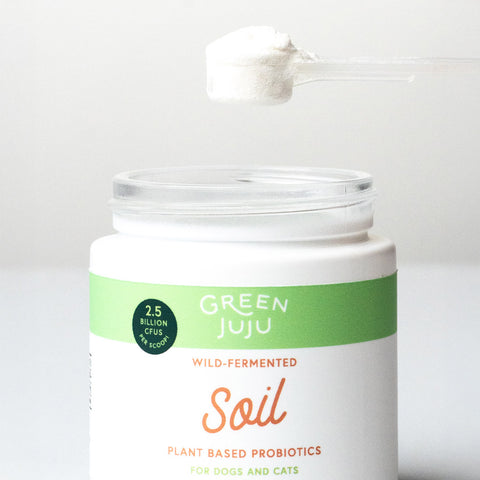
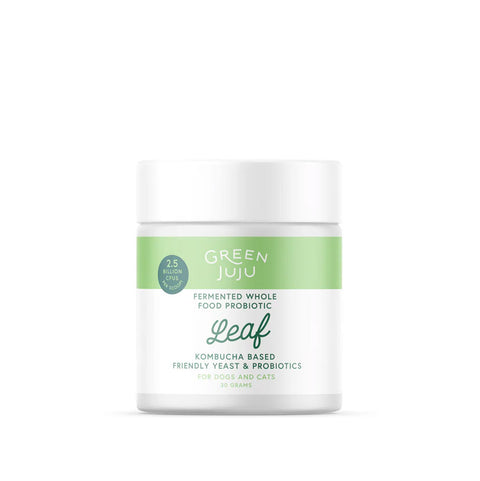
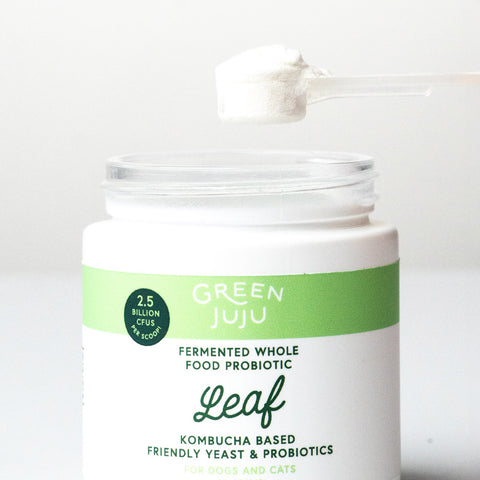
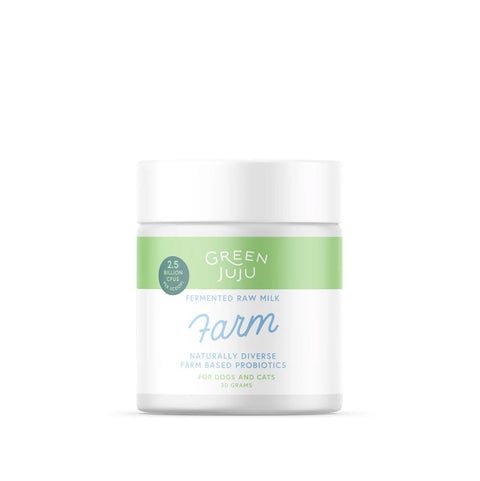
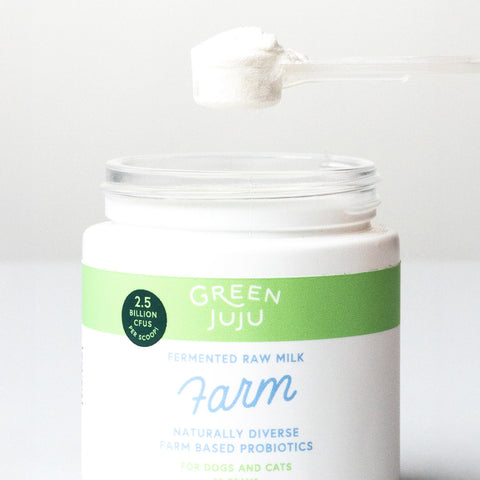
So far we've talked all about the benefits that these bacteria give you, but haven't talked about the bacteria themselves. Whether you are inoculating the food with probiotics and healthy yeast (Think kombucha, yogurt, kefir, etc.) or wild fermenting (Think sauerkraut, beet kvass, rejuvelac, etc.) you will be providing a lot of beneficial bacteria! This mimics nature in that it's not a small set of bacteria but a wide variety of ever changing microbes that provide the most benefit. The other benefit with this being it's easy to provide two or more of these at the same time or in rotation because the probiotics are coming from the very foods that your pet is eating! Unlike single-strain supplements, natural probiotics for dogs from fermented foods introduce a diverse and ever-changing microbial population, which more closely reflects how dogs evolved to consume bacteria in nature.
Vitamins & Minerals
Fermented foods, unlike traditional probiotics, also provide a wide variety of vitamins and minerals. While a whole food culture probiotic can be incredibly efficient at inoculating the gut, fermented foods also provide important vitamins, minerals, and antioxidants that just exist in the food naturally. This includes antioxidants that are the food source of specific bacteria, vitamins that support the gut lining, and minerals for overall body health. This is why fermented foods are often considered fermented superfoods for dogs, delivering both microbial support and essential nutrients in one whole-food source.
Try it Today!
Any way you slice it, adding fermented foods can be a low key and effective way to support dog gut health. Try getting one fermented food and start slow in smaller amounts and see how your dog reacts over time. For dogs with sensitive stomachs, fermented foods can be a gentle, natural way to improve digestion and support the canine microbiome over time. Once you figure out which foods work for your dog, find a great combination or rotation that works for you.