


Fiber and the Gut: Why Plants Belong in Every Dog's Bowl
By Keith Weingardt, DVM
When we think about what makes a dog's diet complete, protein and fat usually get top billing. Fiber tends to be an afterthought that we only worry about when stools are too loose or too firm.
But while fiber may not be the flashiest topic in pet nutrition, I've come to know it as one of the most underappreciated pieces of the nutrition puzzle. It plays a key role in digestion, gut health, and your dog’s overall wellness, but fiber isn’t a one-and-done story.
Not All Fiber Is the Same
Pet owners are often surprised to learn there’s more than one type of fiber. Different types behave differently once they reach the gut, and each has a job to do.
- Soluble fiber ferments in the colon, feeding the trillions of bacteria that make up your dog's microbiome. As those bacteria break it down, they produce short-chain fatty acids like butyrate, which serves as fuel for the cells lining the colon and plays a role in keeping that lining intact and healthy.
- Insoluble fiber adds bulk and helps keep things moving, supporting healthy motility and regular, well-formed stools.
Both are important because the gut does much more than digest food. A significant portion of your dog's immune system lives in the gastrointestinal tract, and a well-fed, diverse microbiome helps support immune function, nutrient absorption, balanced inflammation, and steadier digestion.
Whole Food Fiber Makes the Difference
The source of fiber can be just as important as the amount. Different plants provide different types of fiber, and different strains of gut bacteria specialize in breaking them down.
By offering a variety of whole plant foods, we can help:
- Feed a more diverse population of beneficial gut bacteria
- Support a healthier, more balanced microbiome
- Build resilience against challenges like stress, illness, or dietary changes
Many commercial diets use isolated fiber sources like cellulose or beet pulp. While these can help with stool consistency, they don't offer the same complexity as whole vegetables and plants.
Whole plants also bring more than fiber to the bowl. They provide vitamins, minerals, and phytonutrients naturally packaged together in the food, giving dogs a level of whole-food complexity that's difficult to replicate with an isolated ingredient.
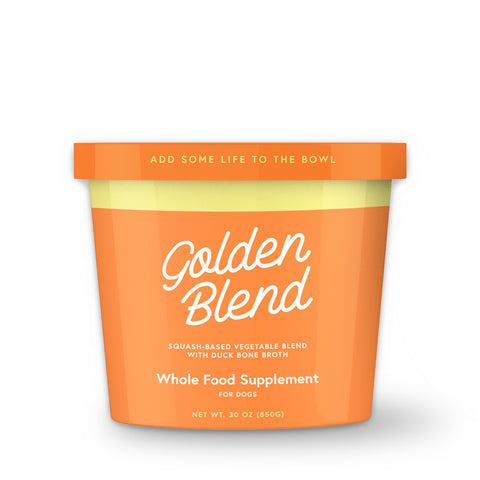
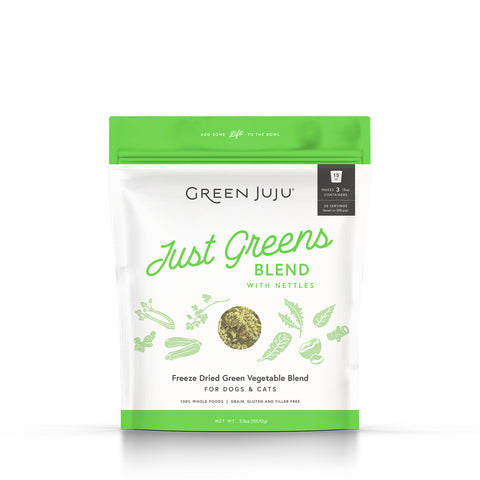
That's the thinking behind Green Juju's Veggie Blends. Just Greens, Bailey's Blend, Vitality Blend, and Golden Blend combine whole vegetables and fruits, each bringing its own fiber profile along with the vitamins, minerals, and phytonutrients that come packaged with it in nature.
Rather than relying on a single isolated source of fiber, Veggie Blends make it easy to bring more whole-food plant variety to your dog's bowl.

Adding Fiber to Your Dog's Diet
In my own house, my dog Otis gets a rotation of veggie blends mixed into his meals. I've seen firsthand how a varied, whole-food approach to fiber can support steady digestion and consistent stools.
If you're adding more plant-based fiber to your dog's diet, start gradually. Slow and steady is important as the gut microbiome adjusts over days and weeks, not overnight. Give it time to adapt and pay attention to how your dog responds.
Stool quality is one of your easiest guides. Well-formed, easy-to-pick-up stools are a simple sign that things are moving in the right direction.
Feeding fiber thoughtfully, and from a variety of whole-food sources whenever possible, is one of the most meaningful ways to support your dog's digestion, microbiome, immune function, and long-term wellness.