



Natural Flea and Tick Prevention for Dogs and Cats | Vet-Approved Guide
By Dr. Keith Weingardt, DVM
Have you noticed more fleas and ticks this year than before? It’s not your imagination.
As our climate changes, fleas and ticks are thriving in new spaces and seasons. I live in the Pacific Northwest, where we didn't have a hard freeze this past winter, and are now seeing ticks show up earlier and in areas where they were rarely a concern before. What used to be an occasional risk on forest hikes is now becoming something pets encounter on ordinary neighborhood walks.
As a veterinarian, one of the most common questions I hear is:
"What is the best way to protect my dog or cat from fleas and ticks?".
My answer always starts in the same place: the bowl.
Why Some Pets Struggle More Than Others
The first thing to remember with fleas, ticks, and any parasite, is that they prefer a sick host. The healthier the pet, the less hospitable they become to fleas and ticks.
I consistently find that my patients with the most health challenges are also the ones who struggle most with parasite issues. A healthy body is simply a more difficult place for parasites to thrive.
Your First Line of Defense
Because healthy bodies naturally make less appealing homes for these unwanted guests, prevention begins long before a flea or tick ever appears.
Supporting your pets' natural resilience with a nutrient-dense, minimally processed whole-food diet remains the strongest first line of defense.
Topping up their bowl with wild-fermented foods and whole-food probiotics that support a healthy microbiome and immune system can strengthen that foundation even further.
Green Juju’s simple 3-step bowl is a great place to begin if you’re new to fresh feeding and want to start building up your pets nutritional foundation from the inside out.
How to Feed Fresh

Practical Steps to Reduce Flea and Tick Exposure
Once a strong nutritional foundation is in place, I often recommend using natural repellants and personal vigilance as an additional layer of protection.
Essential oil-based repellants
These can be very effective when applied before outdoor adventures, hikes, or time spent in high-risk areas. Products like Wondercide, Mad About Organics, and doTerra TerraShield are popular options, though it may take some experimentation to find what works best for your pet and environment.
- A Note for Cat Owners:
Cats can be particularly sensitive to essential oils, and certain oils may be toxic to them. Always choose products specifically labeled as safe for feline use. Animal EO offers several cat-safe options worth exploring.
Daily grooming and tick checks
A simple but important habit to get into the routine of during flea and tick season. Ticks removed within the first 24 to 48 hours are significantly less likely to transmit disease.
If you do find a tick and are concerned about potential exposure, services like TickCheck can identify whether it carries Lyme disease or other tick-borne infections. If the tick comes back positive for Lyme or other tick-borne diseases, it’s important to follow up with your veterinarian right away.
Early detection and intervention can make all the difference in preventing long-term health issues for your dog or cat..
When Stronger Protection Makes Sense
Even when we do our best to build a healthy foundation for our pets, some dogs and cats need additional support.
Some pets are highly sensitive to flea bites, where a single bite can trigger intense itching, inflammation, and allergic reactions. Others seem to be magnets for ticks no matter how diligent their owners are.
In these situations, the thoughtful use of chemical preventatives may be appropriate.
There are many products out there, with some newer options that are considerably more potent and should be approached with care and caution. Because these products can carry potential risks, including neurotoxicity concerns, I encourage pet parents to work closely with their veterinarian to find the safest and most appropriate choice for their individual pet.
Supporting Your Pet After Chemical Preventatives
When chemical preventatives are necessary, I also like to support the body's natural detoxification pathways.
The liver does a lot of the heavy lifting when processing environmental toxins and medications, and whole-food nutrition can play an important role in supporting this process.
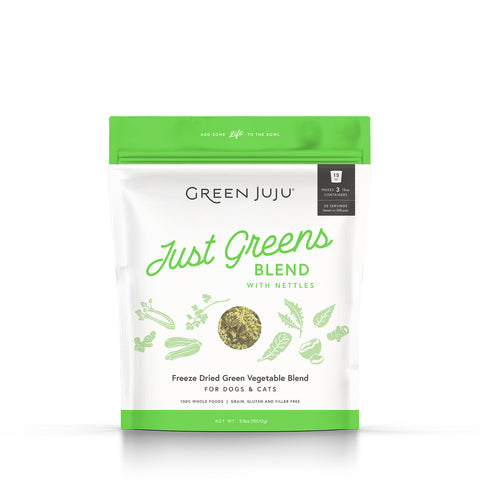
Adding a boost to your pets bowl by rotating Green Juju’s whole-food vegetable blends and wild-fermented pastes can help support healthy liver function while providing protection against any potential damage from chemical pesticides.
Shop Our Recommendations



Start with the Bowl
Fleas, ticks, and parasitic pests have been with us for as long as we’ve walked the earth, and they're unlikely to disappear anytime soon. As climates continue to shift, managing them will become an increasingly important part of pet care.
Fortunately, there is a lot we can do.
A strong nutritional foundation, a resilient microbiome, smart preventative practices, and thoughtful use of repellants or medications when needed can go a long way toward keeping your pet healthy and protected.
When it comes to flea and tick prevention, I always come back to the same principle: support the body's natural vitality first. Everything else works better when you do.

