


Signs of Gut Imbalance in Dogs and Cats - How Gut Health and Nutrition Support the Whole Body
By Dr. Keith Weingardt, DVM
Integrative Veterinarian and Veterinary Advisor
When we think about gut imbalance in dogs and cats, we often picture obvious digestive symptoms: loss of appetite, nausea, vomiting, loose stools, or diarrhea. These signs often provide our first clues that something is out of balance.
But the influence of the digestive tract goes far beyond an upset stomach.
The gut microbiome plays a key role in overall vitality in dogs and cats, supporting immune regulation, inflammation control, and detoxification. When that balance shifts, the effects can be felt throughout the whole body. Skin eruptions, recurring ear infections, greasy or flaky coats, and even chronic anal gland issues may all trace back to digestive imbalance.
Understanding the early signs of gut imbalance in dogs and cats allows us to recognize concerns before they develop into more persistent or complex conditions.

The Obvious Signs of Digestive Imbalance in Dogs & Cats
Some symptoms point directly to the gastrointestinal tract. Chronic or intermittent loose stools, frequent diarrhea, sensitivity to new foods, reflux, vomiting, or loud intestinal sounds are among the most recognizable signs of digestive imbalance in dogs and cats.
When we see these patterns, the gut is clearly asking for support. Yet many imbalances show up in quieter ways.
How Gut Imbalance Shows Up Elsewhere
When the intestinal environment becomes inflamed, imbalanced, or overburdened, early symptoms don’t necessarily show up how you would expect, may develop gradually, and can seem unrelated.
One of the first systems affected is often the immune system. Red, itchy skin, hot spots, and recurring ear infections are common examples and are frequently associated with gut health and immune imbalance in dogs and cats. In my clinical practice, I often see these external symptoms paired with underlying digestive stress, even when stools appear mostly normal.
The colon plays an especially important role in this process. Beneficial bacteria living there produce compounds that help maintain healthy stool consistency, support the intestinal lining, and regulate inflammation. When these helpful bacteria are not adequately nourished, their protective effects decline. Over time, this can contribute to inconsistent stools or ongoing anal gland concerns.
Shifts in microbial balance can also create an opportunity for yeast to overgrow. We may notice tear staining, paw licking with discoloration, greasy skin, or the familiar yeasty odor many pet parents recognize. Yeast is normally present on the skin, but when microbial diversity and immune balance weaken, it can multiply more easily.
The Gut–Liver Connection
The gut and liver are closely connected through detox pathways. When ongoing gut imbalance in pets persists, the liver must work harder to process inflammatory byproducts and metabolic waste. Over time, this added burden can affect energy levels and resilience, even when overt digestive symptoms are minimal.
Pets may appear sluggish, fatigued, or generally “not themselves.” These signs often signal that deeper systemic balance needs attention.
How Whole-Food Nutrition Helps Restore Balance
Whole-food nutrition for dogs and cats can make a meaningful difference, and forms a powerful foundation for long-term health.
A minimally processed diet rich in fresh, species-appropriate proteins, organ meats, vegetables, and naturally occurring fibers helps reduce inflammatory load and support microbial diversity. In my experience, this type of nourishment aligns more closely with how the digestive system is designed to function, fostering a more resilient and stable gut environment.
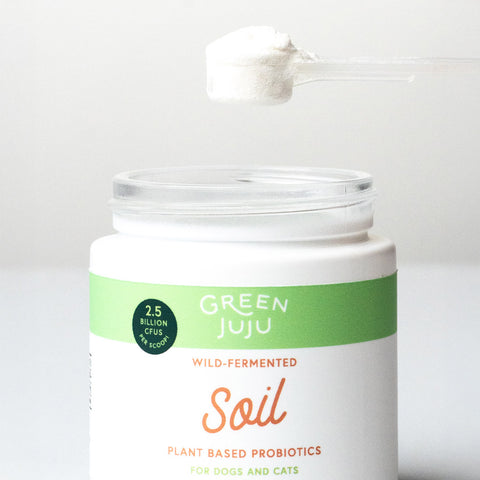
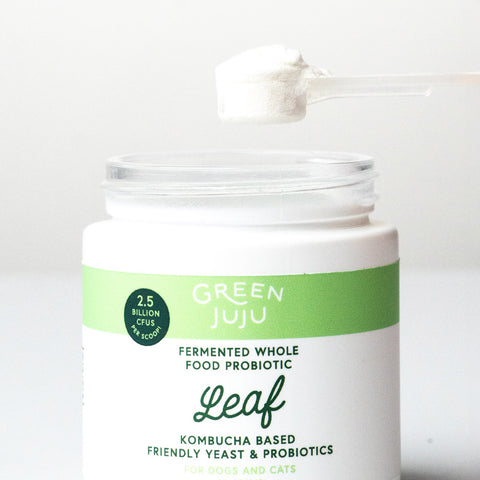
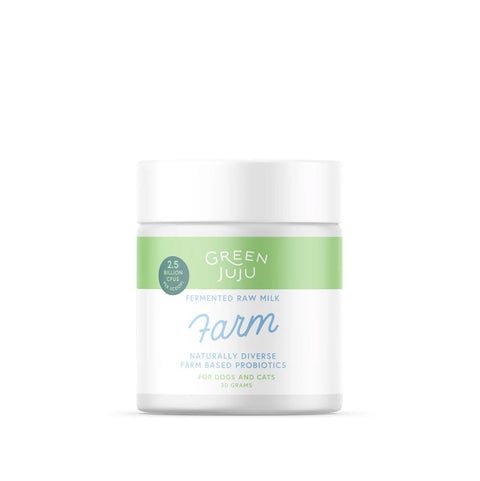
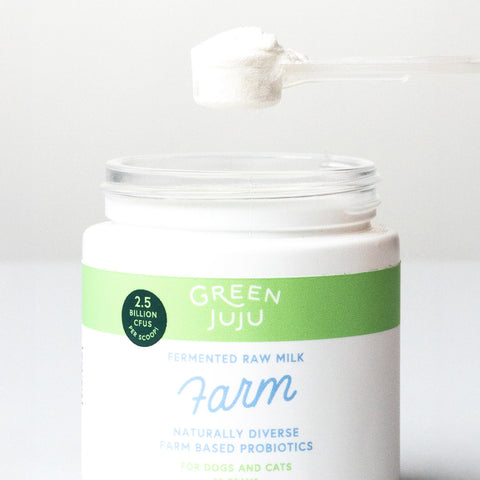
Whole-food probiotics can offer an additional layer of support for gut health in pets, particularly when microbial diversity has been compromised. I often recommend rotating Green Juju’s whole-food probiotics, which are derived from natural sources like soil, fermented foods, and plants, providing broader microbial diversity than isolated laboratory strains. This diversity helps beneficial organisms establish themselves, regulate immune signaling, and restore balance over time.
Prebiotic fibers are equally important. Vegetable blends rich in natural fibers nourish beneficial bacteria and support the production of short-chain fatty acids, key players in colon health. Rotating Green Juju’s Veggie Blends alongside probiotics can help create a more resilient colonic environment and strengthen the gut–immune connection.

Supporting the Whole System
When gut health is addressed with consistency, through fresh whole foods, diverse probiotics, natural fibers, and targeted supplementation when appropriate, we are doing far more than resolving diarrhea or itchy skin. We are supporting the communication network between the gut and all the other systems in the body that work together symbiotically.
A balanced microbiome forms the foundation of long-term health in dogs and cats. When supported with steady, thoughtful care, the body often finds its way back toward balance.