


Cold Weather and Joint Health: Supporting Dogs Through Winter
By Dr. Keith Weingardt, DVM
Integrative Veterinarian and Veterinary Advisor
As winter settles in, many pet parents notice their older or arthritic dogs showing increased stiffness or discomfort. Cold weather joint pain in dogs is common, and it reflects real physiological shifts in the body.
Lower temperatures naturally reduce circulation to the extremities, including joints and connective tissues. When blood flow slows, tissues that are already under stress may feel tighter and less resilient, showing up as soreness or reduced mobility that’s more noticeable during colder months.
From a Traditional Chinese Medicine perspective, winter is associated with inward-moving Yang energy. While this seasonal shift helps conserve vitality, it can also decrease warmth and circulation to the outer structures of the body. Cold and damp conditions further slow movement and blood flow, creating a pattern of stagnation that often presents as stiffness.
Understanding this seasonal pattern allows us to take a proactive approach. By supporting warmth and circulation from within, we can help maintain our companions joint comfort through winter.

Winter Nutrition for Dogs with Joint Stress
Winter is an ideal time to incorporate warming proteins. Lamb, goat, venison, and chicken are traditionally considered Yang-supportive foods and can be helpful as part of winter nutrition for dogs with arthritis. These proteins provide dense nourishment while encouraging healthy circulation and metabolic activity.
Botanicals may also offer gentle support. I often consider Lua’s Fermented Turmeric Paste for older dogs during colder months. Turmeric is widely recognized for its antioxidant properties and its role in supporting healthy inflammatory balance. Its mild warming quality can also encourage circulation to stiff or uncomfortable joints during cold, damp weather.
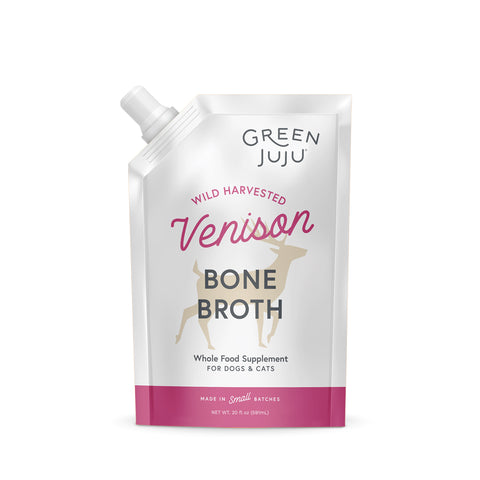
Providing structural support to connective tissues is equally important. Green Juju’s Venison Bone Broth supplies collagen, gelatin, proline, and other amino acids associated with bone broth dog joint health. Delivered in a whole-food, highly bioavailable form, these nutrients are readily absorbed and used to support repair and ongoing maintenance, particularly in aging dogs.
The Gut-Joint Connection
Gut health and joint inflammation in dogs are closely interconnected. A balanced microbiome helps regulate immune signaling and inflammatory responses throughout the body, including within the joints. When microbial balance shifts, inflammation may become more pronounced.
For this reason, I often recommend rotating Green Juju’s whole-food probiotics alongside their vegetable blends. These help nourish beneficial microbes, support digestion, and provide foundational support for joint comfort from the inside out. This internal work may seem subtle, but it plays a meaningful role in your dog’s long-term mobility.
My Winter Tips for Supporting Dogs
- Prioritize warming, whole-food proteins such as lamb, venison, goat, or chicken
- Add gentle warming botanicals like fermented turmeric to support circulation and inflammatory balance
- Use bone broth regularly to nourish connective tissues and maintain hydration
- Support gut health with whole-food probiotics and vegetable blends
- Keep dogs warm with appropriate bedding and limited exposure to cold, damp conditions
- Encourage gentle, consistent movement to help lubricate joints
By supporting circulation, digestive balance, and connective tissue health through whole-food ingredients, we can help maintain joint health for dogs and reduce winter-related stiffness during the colder months.
Whether your dog is simply moving a little slower as temperatures drop or you are already supporting long-term joint health, thoughtful seasonal nutrition can make a meaningful difference.