


Pancreatitis, Fat, and the Missing Context: Why Pet Nutrition Isn't as Simple as One Number
Simple answers are appealing. But biology isn't simple, and nutrition advice without context can sometimes do more harm than good.
-
Many pet parents now turn to AI for a first search of health questions before they ask their vet or nutritionist. And we get it, it’s literally right there in your hand - no appointments or travel time required.
Type any pet nutrition query into a chatbot, and you'll probably get a very confident answer.
The problem is that ‘confident' doesn't always mean complete.
Nutrition, especially when it comes to conditions like pancreatitis, is rarely as simple as one nutrient being "good" or "bad."
While these tools can be a great starting point for education, they don't always capture the nuance behind complex health conditions. That's especially true for pancreatitis, where broad recommendations can quickly become oversimplified.

In this case we prompted Google Ai with “Green Juju pancreatitis” and while very confident, it didn’t quite understand the assignment:
Like many nutrition topics, the reality is much more layered. Let’s unpack it and add a bit more nuance to the bowl.
Why "Low Fat" Became the Standard
If a dog is experiencing an active pancreatitis flare or recovering from a recent episode, veterinarians often recommend temporarily feeding a lower-fat diet while the pancreas heals.
That's an important part of treatment. Where things become less clear is what happens after recovery.
For many dogs with a history of pancreatitis, the conversation shifts from "How little fat can they eat?" to "What kind of food is their body actually being asked to process?"
And those aren't the same question.
Yes, but what kind of fat?
The quality of the ingredients, how they're processed, and how they're delivered all influence how a meal is handled by the body. In other words, it's not just how much fat - it's what kind and how it's delivered.
As, Dr. Keith, integrative veterinarian, explains:
“Whole food fats in modest portions, fed consistently, tend to be much better tolerated than a diet pumped with added fats and rendered ingredients. It's not just how much fat, it's what kind and how it's delivered.”
Whole-food fats that occur naturally within minimally processed ingredients behave differently than heavily processed or rendered fats. The same is true for protein.
Rather than assuming higher protein automatically means "too rich," it's worth considering where that protein comes from. Clean, highly digestible whole-food proteins are often easier for the digestive system to handle than diets built from rendered meals, protein isolates, and long ingredient lists.
Fat vs Carbs? Not Quite…
Another important piece of the conversation is processed carbohydrates.
The pancreas isn't responding only to fat. It's responding to the overall metabolic demand of the meal. AKA how much effort it takes to break down what's going through your pet’s body.
Carbs that come from highly refined starches and fillers can trigger sharp insulin responses and contribute to chronic inflammation, placing additional stress on the body over time.
Dr. Keith points out:
“Most conventional commercial diets are simultaneously high in poor quality processed fat and high in refined carbohydrate, because that combination is cheap and shelf stable. So a dog on a typical kibble diet is getting hit from both directions at once.”
It's not fat versus carbs, it's processed versus whole food. Looking at fat alone doesn't tell the whole story.
Why Ingredient Quality Matters
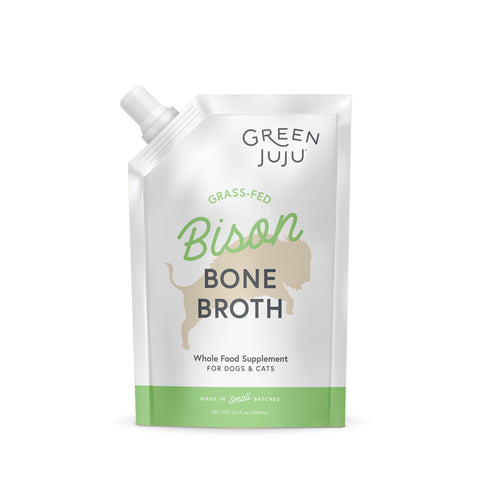
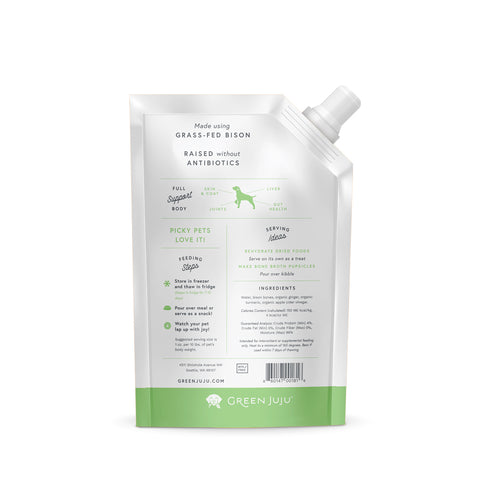
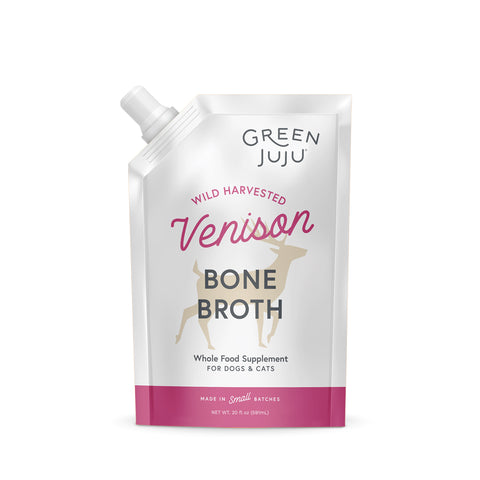
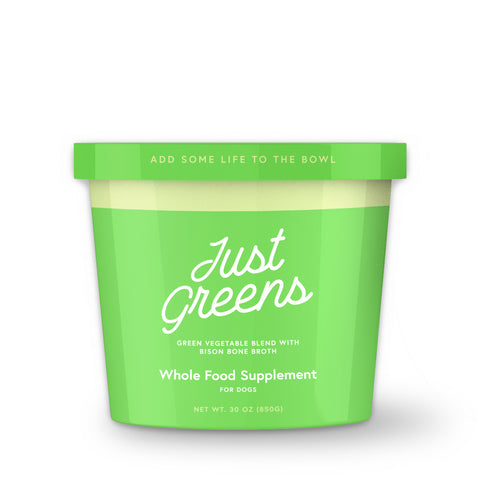
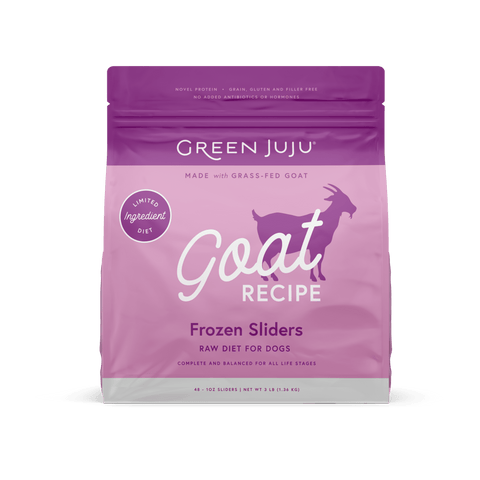
At Green Juju, we've always believed nutrition starts with ingredients, and where they come from.
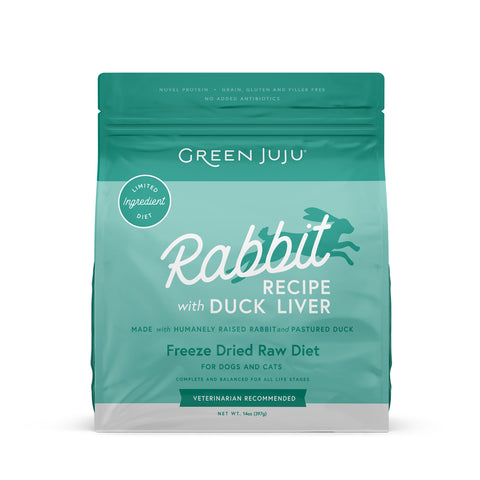
Our recipes are built around whole-food proteins, thoughtfully sourced fats, and minimally processed ingredients without relying on refined starch fillers to hold everything together.
The clean, high-quality ingredients in Green Juju products impact digestibility and how those nutrients become available. That makes a big difference to both how your pet’s body responds as it digests, and what happens after.

Looking Beyond the Label
Nutrition rarely comes down to one nutrient being "good" or "bad." It's about how the entire diet works together.
For dogs with a history of pancreatitis, asking questions about ingredient quality, processing, digestibility, and the individual pet often leads to far better conversations than simply looking at the fat percentage on the label.
A dog recovering from an acute episode has different nutritional needs than one who experienced a single flare years ago and has remained stable ever since.
That's why context matters.
Rather than applying one blanket rule to every dog, we believe nutrition should be considered alongside the individual pet, their history, and where they are in their recovery.
A Balanced Bowl, with a Splash of Nuance
AI can be a helpful place to begin learning, but it isn't a replacement for understanding context. Conditions like pancreatitis deserve individualized guidance because every dog's history, recovery, and nutritional needs are different.
We believe the best nutrition conversations start with curiosity, and then call in expert guidance and understanding from real, pet specialists.
The goal isn't simply to avoid one nutrient. It's to understand how thoughtfully sourced, minimally processed whole foods work together to support the health of the pets we love.